
Discussion with an Indie Developer
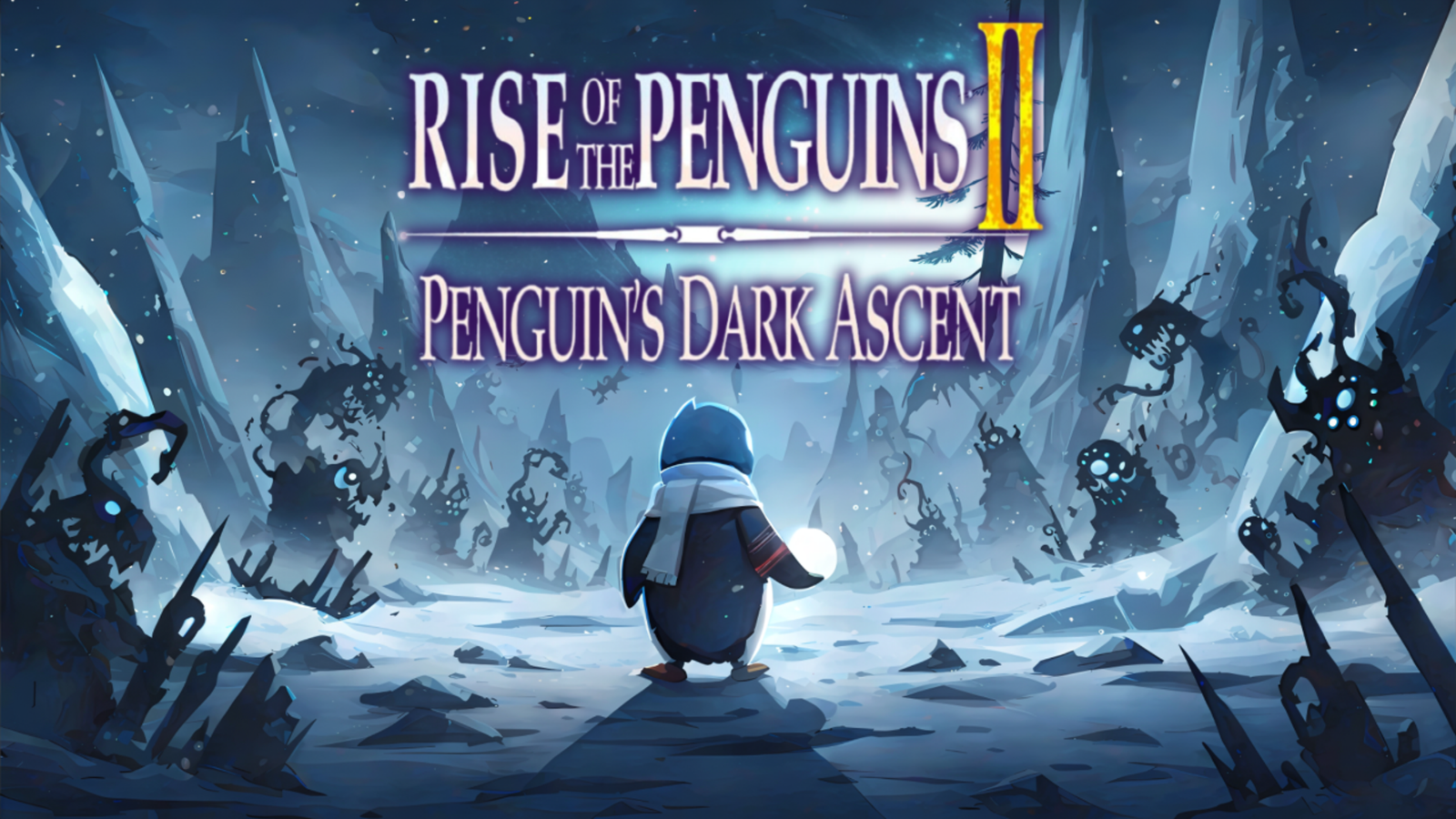
Today, we are going to have a little chat with indie developer Bill Woo (Pwoo), who recently released his new game, Rise Of The Penguins 2: Penguins’ Dark Ascent. This game is currently available on Steam, and you can even download a free demo to try it out.
Hello! Why don’t you introduce yourself and tell us what sparked your interest in game development?
- Hello! I’m the creator of Rise of the Penguins 2. What got me into game development was that I wanted to make a game to play on my retro handheld. It is one of those ambernic rg handhelds that play ROMs from NES to PS1 games. I made the first game in 3 months, then did a little Kickstarter to redo the backgrounds by hiring an artist, and added a few extra bosses and 2 extra levels. Right after I picked up learning the Godot game engine, and spent about 10 months working on this Rise of the Penguins 2 game.
Give us a Quick breakdown on what type of game Penguin’s Dark Ascent is, and also tell us what some core games are that influenced your game design?
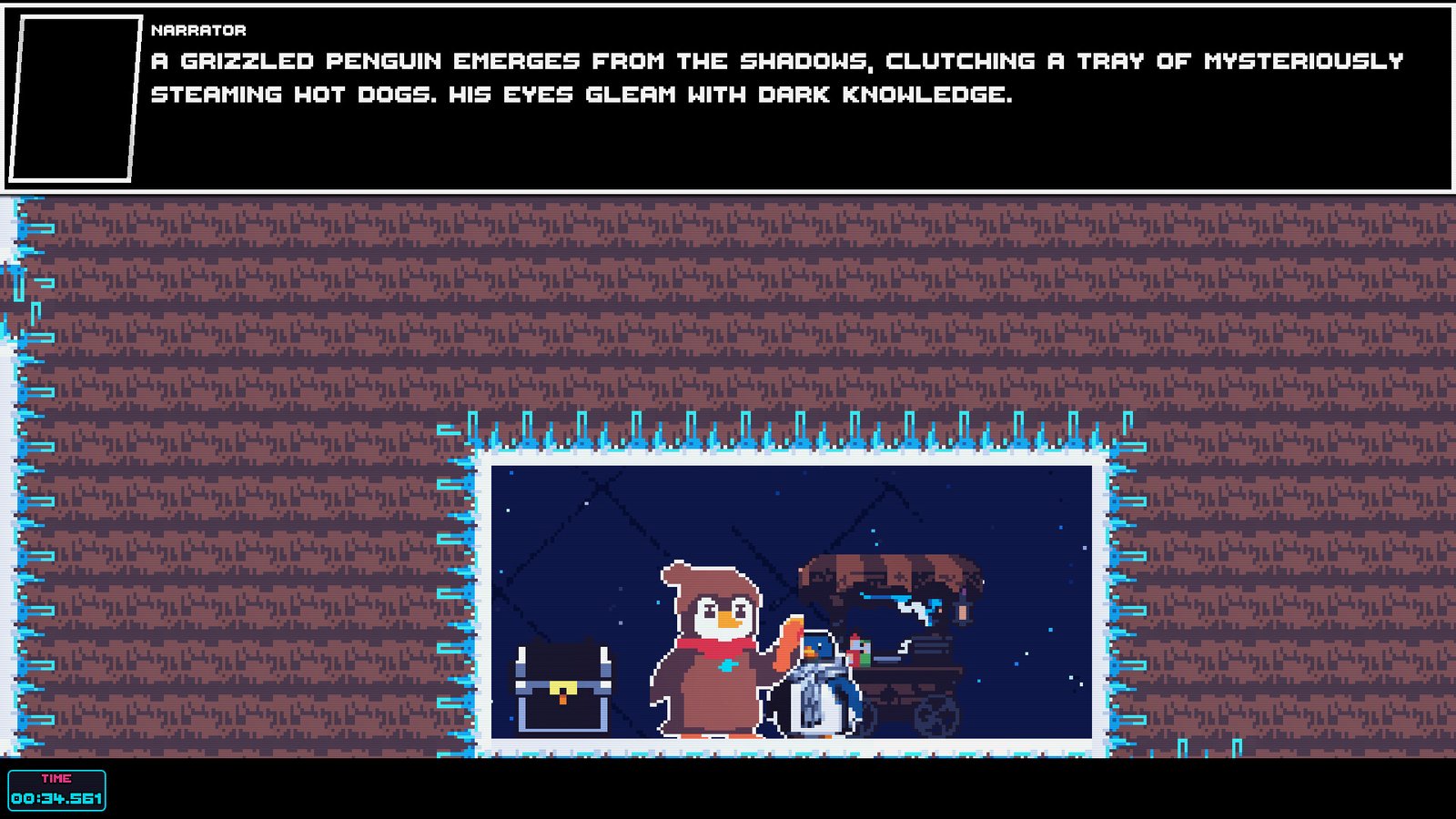
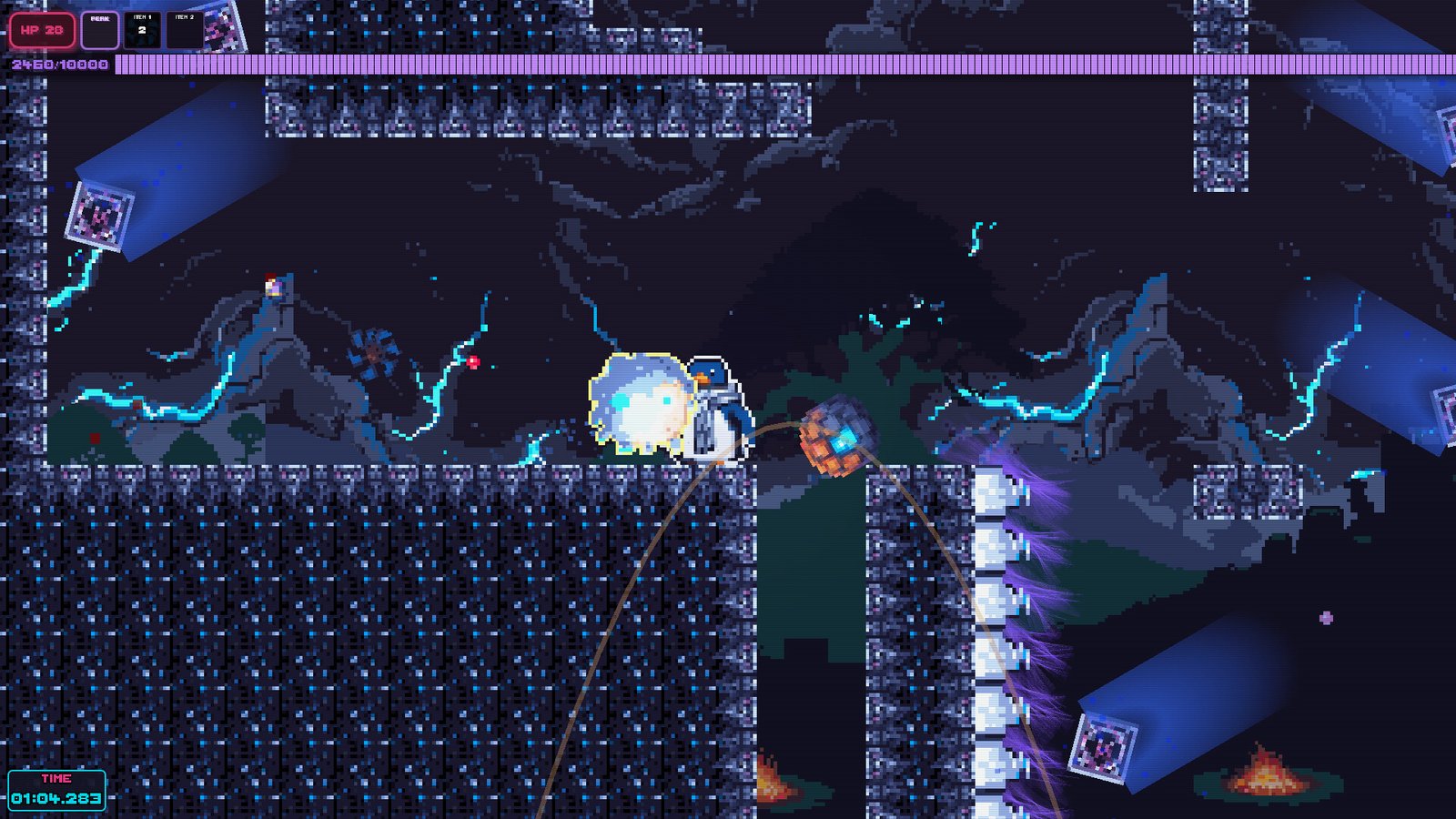
- Penguin’s Dark Ascent is a 2D action-platformer where you throw snowballs, and with simple Cuphead-like parrying, where you can dash and dive to parry pink projectiles. The main focus is that there are 7 levels, and in each level, including the optional sections, there are about 24 sections. I made different hazards and enemies, as well as a boss and miniboss in each level. The main inspirations for the game were mostly my first game, which was inspired by Ghost’ n Goblins and a bit of Mega Man, as well as I mentioned a bit of Cuphead for the parry idea.
The First Penguin game was free-to-play. I guess it was sort of a prototype and an attempt to see if there would be a market for this type of game. Economically, what do you think about indie development in today’s market? Is it wise to price the game low or high?
- I suppose I’m not sure if it’s quite a prototype, as it has a decent length in the first game, but it was a good test to see if I could spend several months making something. In today’s market, I don’t have much experience with a successful game, but it seems that if you have a decent amount of followers and people paying attention, any price under 20$ is valid. For someone such as myself with single-digit views, though, pricing it lower is important so I can get some people to consider looking at my game.
Another big element of today’s market is the sheer fact of new games that are dropping in hundreds each day on Steam, Epic Games, or on Mobile. It’s really hard to stand out from the crowd. What do you think is really the winning model in today’s saturated market? Or is it just pure luck whether you go viral with your game or not?
- Feel like all games in any genre can be successful, but there is probably a combination of luck and making something look a certain way that people would like to play.
Also, these days, the games seem to have longer lifespans. You have rolled out a couple of patches for the game. Do you have any type of roadmap or plans for further updates for the game? Or is this just a stepping stone before you move to work on Penguin’s Ascent 3 or a completely new game?
- Yes, I am primarily working on my first 3D project now. I’m still just playing around with some ideas, but my current idea is that you’ll play as a penguin sliding around air tricks and flips in the air, and throwing snowballs at enemies. For Rise of the Penguins 2, I want to still get the game on the Epic Games Store, fix any bugs if there are still any, as well as get the portmaster build out, which requires me to further optimize some of the enemies and things in the game to run smoother.
As we are coming close to the end of this interview, what advice would you give to someone trying to start their own indie game? Should they build on mobile or PC, or perhaps for consoles?
- Start with the platform you know best and the one that fits your game’s audience and design. PC (Steam, itch.io) is the most accessible for small indies—fewer barriers to entry, big community, easier self-publishing. Publishing anything free definitely gets more exposure if you’re looking for that, like either a demo or a free game. That is what I noticed from publishing my first free game vs my second game, which was paid.
For the final question, give us your elevator pitch on why people should pick the game out from Steam today or try out the Demo?
- If you like playing 2d platformers, penguins, and like fighting various enemies and bosses, then my game might be of interest to you! There are a few secrets, like a hidden NPC in each level, and you can try the demo for free on Steam.